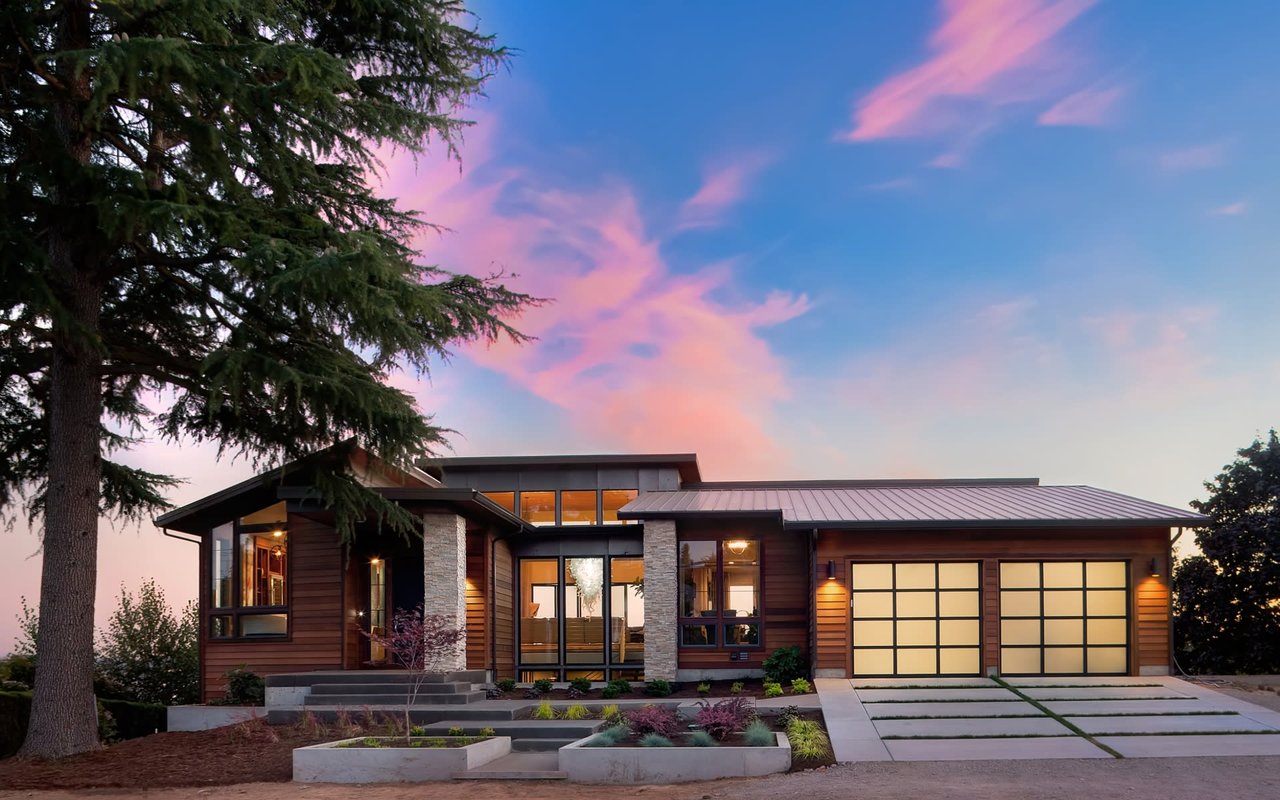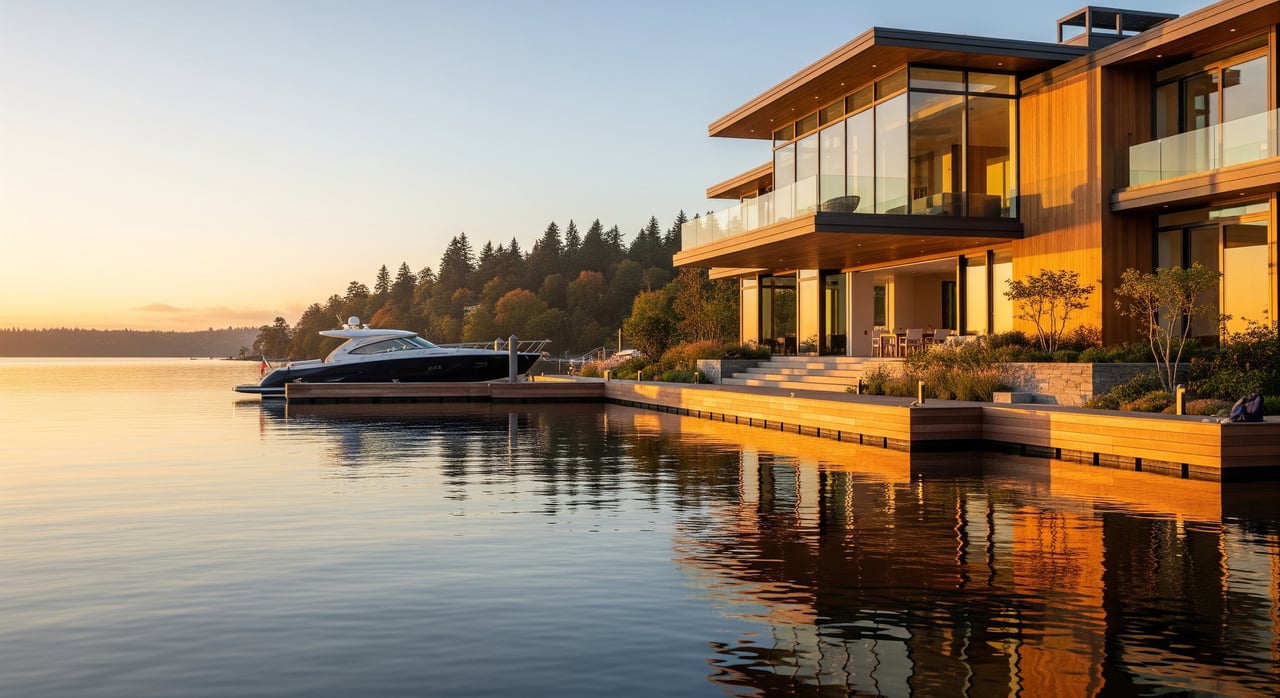
Shopping for a Mercer Island waterfront home and realizing that “waterfront” can mean many different things? You are not alone. Between docks, bulkheads, shoreline rules, and view orientation, each property type offers a different experience. This guide breaks down the main home types on the lake, plus the permitting, maintenance, financing, and resale details you should know before you buy or sell. Let’s dive in.
The Mercer Island waterfront at a glance
Mercer Island sits in Lake Washington between Seattle to the west and Bellevue to the east. Orientation matters, because west-facing shorelines look toward Seattle and sunsets, while east-facing shorelines look toward Bellevue and morning light. Waterfront parcels are limited, so they are highly sought after for direct lake access, privacy, and views. Public shoreline access is mainly at parks and beaches, while most shoreline is private residential.
Waterfront home types on Mercer Island
Single-family direct waterfront
These are fee-simple lots that touch the water, often with a private dock and a bulkhead. Lots can be flat or sloped, which affects access and how you experience the view. You will want to confirm permits, any easements, and riparian rights. Plan for dock and bulkhead upkeep and permits for major repairs.
Estate and luxury waterfront
These larger parcels feature high-end homes, landscaped grounds, and sometimes substantial moorage. Privacy, scale, and premium finishes are the draw. Maintenance is more involved, and any significant shoreline work can trigger more complex permitting. Buyers who boat with multiple vessels value the larger docks found on some estate sites.
Tear-downs and redevelopment
Older houses in prime locations can be candidates for rebuilds or major renovations. Your feasibility depends on zoning, height and setback limits, and the City of Mercer Island Shoreline Master Program. Confirm what can be rebuilt under current rules before you price or write an offer. Shoreline permits and mitigation can shape timelines and design choices.
Mid-century and older homes
Original-era homes offer character many buyers love. You will want to evaluate foundations, systems, and especially aging docks or bulkheads. Renovation can preserve style while improving performance. Expect to coordinate inspections of shoreline structures before closing.
Modern and new construction
Contemporary builds maximize glass, views, and indoor-outdoor flow. Newer homes often include updated engineering for shoreline conditions and seismic considerations. Pricing reflects modern systems and finishes, and newer docks or bulkheads may already meet current code. This can simplify insurance and lending compared with older, non-permitted structures.
Waterfront-adjacent and water view
These homes sit near the lake or offer views but do not touch the shoreline. They can include shared or easement access in some cases. You get proximity and outlook with less responsibility for docks and bulkheads. Pricing is typically lower than direct waterfront.
Condos, duplexes, and floating homes
Mercer Island’s shoreline is primarily single-family. Traditional condo or floating-home communities are not common on the island’s waterfront. If you find a unique setup with shared moorage or community access, verify the governing documents and recorded agreements.
Docks, bulkheads, and shoreline rules
Permits and approvals
Washington’s Shoreline Management Act authorizes local Shoreline Master Programs, and Mercer Island administers its own program. New docks, bulkhead work, and significant shoreline changes typically require city shoreline permits, and may also need approvals from the Washington Department of Fish and Wildlife or the Department of Natural Resources. Project timing and design can be limited to protect habitat and water quality, so confirm feasibility and permit history early.
Ownership and easements
Dock and bulkhead ownership can be private to a lot or shared among neighbors. Recorded easements for utilities or access are common along the shore. Always verify boundary lines to the ordinary high-water mark and review any agreements that affect use, maintenance, and moorage rights. Sellers should gather documentation and disclose known conditions and permits.
Floodplain and insurance
FEMA flood maps and local floodplain designations can influence construction standards and insurance requirements. Even when a home is not in a high-risk flood zone, waterfront ownership often brings higher insurance costs and underwriting scrutiny. Lenders may request elevation certificates or structural reports, especially for older shoreline improvements.
What drives value on the lake
Value on Mercer Island waterfront is shaped by several factors. Positive drivers include direct access with a private dock, unobstructed views, quality shoreline structures, larger lots, privacy, and strong construction. Negative drivers can include failing or non-permitted docks and bulkheads, steep or difficult access, high ongoing maintenance, noise from boat traffic, restrictive easements, or limited parking. Consider both lifestyle benefits today and maintenance commitments over time.
Buyer due diligence checklist
- Confirm lot lines to the ordinary high-water mark and review all recorded easements and access rights.
- Obtain full permit history for docks, bulkheads, and shoreline work from the City of Mercer Island or King County.
- Commission structural inspections of docks, bulkheads, pilings, and the home’s foundation.
- Review FEMA flood maps and obtain flood and homeowners insurance quotes, including coverage for docks.
- Verify water and sewer connections and any utility easements or private systems.
- Review HOA or shared-dock agreements if they apply.
- Confirm zoning, setbacks, and rebuild or expansion feasibility under the Shoreline Master Program.
- Ask the seller for a history of erosion, flooding, prior repairs, and any shoreline inspection reports.
Seller preparation checklist
- Assemble permits and approvals for docks, bulkheads, and past shoreline work.
- Order pre-listing inspections for docks and bulkheads to address issues proactively.
- Gather repair invoices, maintenance records, and any engineering reports.
- Identify and disclose known deficiencies, easements, or shared-use agreements.
- Coordinate presentation, including landscaping and shoreline access paths, so buyers can easily evaluate the water experience.
Final thoughts
Mercer Island waterfront is both a lifestyle and a long-term asset, and the best outcomes come from careful due diligence and thoughtful presentation. When you line up permits, inspections, insurance, and market positioning, you remove friction and protect value. If you want a discreet, concierge process that respects your time and elevates your result, let us help you plan each step.
For private guidance on buying or selling on the lake, connect with Sean Nielsen for a confidential consultation tailored to your goals.
FAQs
Can I build a new dock on Mercer Island?
- Possibly. New docks or major replacements usually require City of Mercer Island shoreline permits and can also require state approvals. Feasibility depends on lot conditions and current regulations.
Who is responsible for maintaining a dock or bulkhead?
- It varies. Some structures are owned by the lot owner and others are shared under recorded agreements. Confirm ownership and maintenance terms in the property’s documents.
Do waterfront homes cost more to insure?
- Often yes. Flood risk, storm exposure, and coverage limits for docks and bulkheads can increase premiums, and some insurers request elevation or structural reports.
What is the difference between waterfront and water view?
- Waterfront lots touch the lake and may include shore rights and a dock. Water-view homes enjoy a view but do not necessarily have direct shoreline access or ownership.
Are Mercer Island waterfront homes a good investment?
- They are scarce and can be resilient in value, but long-term returns depend on maintenance costs, regulatory constraints, and market conditions. Due diligence is key.
Will regulations limit my renovation plans?
- They can. The Shoreline Master Program, environmental protections, and setbacks guide what you can build or replace, and some projects require mitigation or specific construction timing.