Why Wellness Design Is Defining 2026 Homes
What makes a home feel truly good?
According to Engel & Völkers Lifestyle and Design Expert, Jennifer Adams, one of the defining trends of 2026 is wellness design. And when asked, her answer is immediate. “It is hot.”
Disclosure: Engel & Völkers maintains a professional relationship with Jennifer Adams. Home sellers who choose to work with an Engel & Völkers affiliated advisor may receive access to exclusive merchandise offers.
What Is Wellness Design?
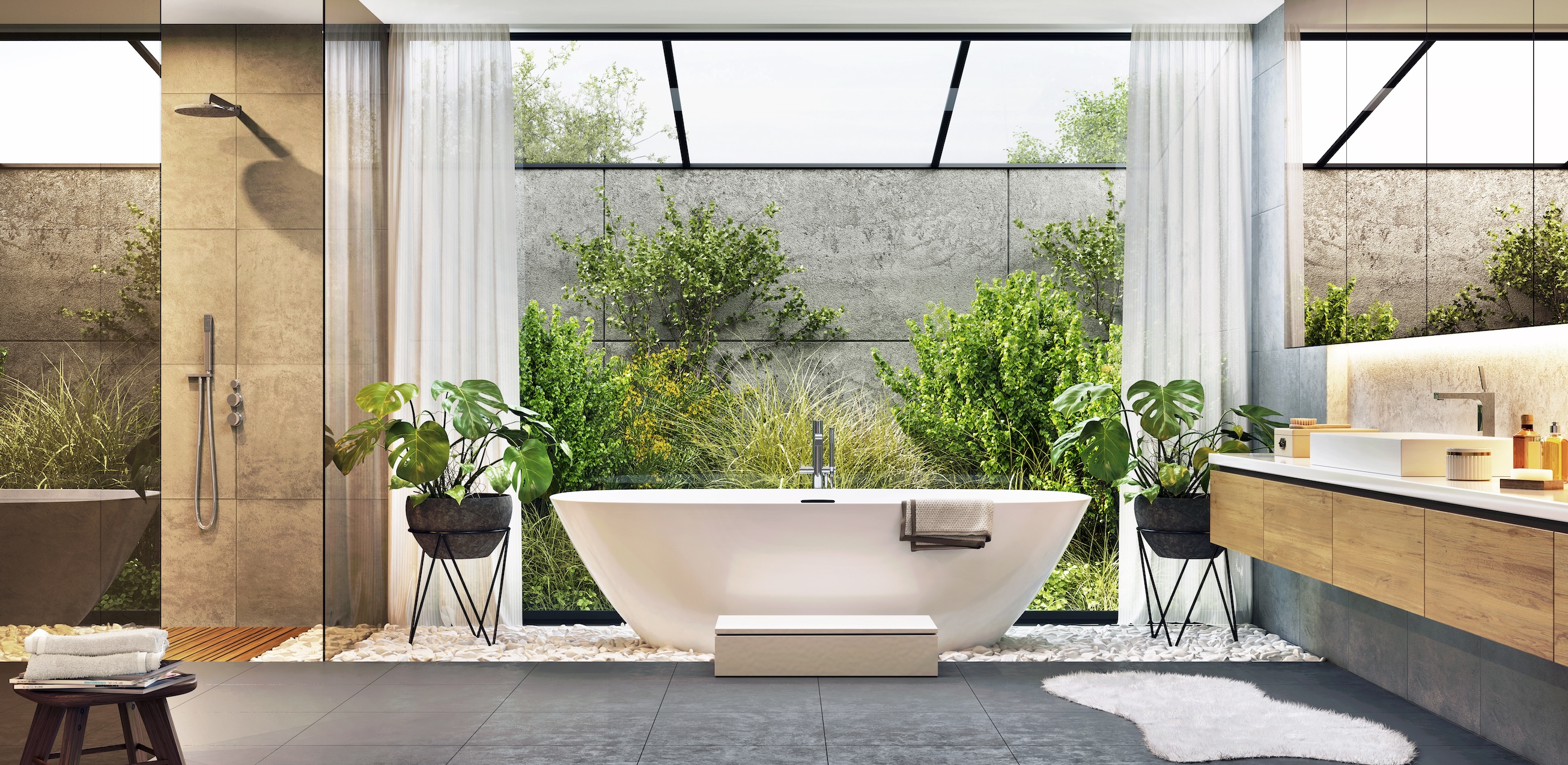
Wellness design goes far beyond adding a few houseplants or choosing calming paint colors. As Jennifer explains, “Bringing wellness into the home is going to transform the way we think about furniture design, bedding, remodeling, and even the way the house is built. It will influence everything.”
At its core, wellness design is about creating an environment that supports your physical, emotional, and mental well-being. “It’s really taking in every single sense of your body to transform your environment,” she says.
There is science behind this approach. “There is scientific backing that when you see something beautiful, it actually brings about a calming effect to you,” Jennifer notes. A thoughtfully designed home can help reduce stress and anxiety, encourage creativity, and even improve sleep. A beautiful space is not frivolous. It can meaningfully shape how you feel each day.
Designing for All Five Senses
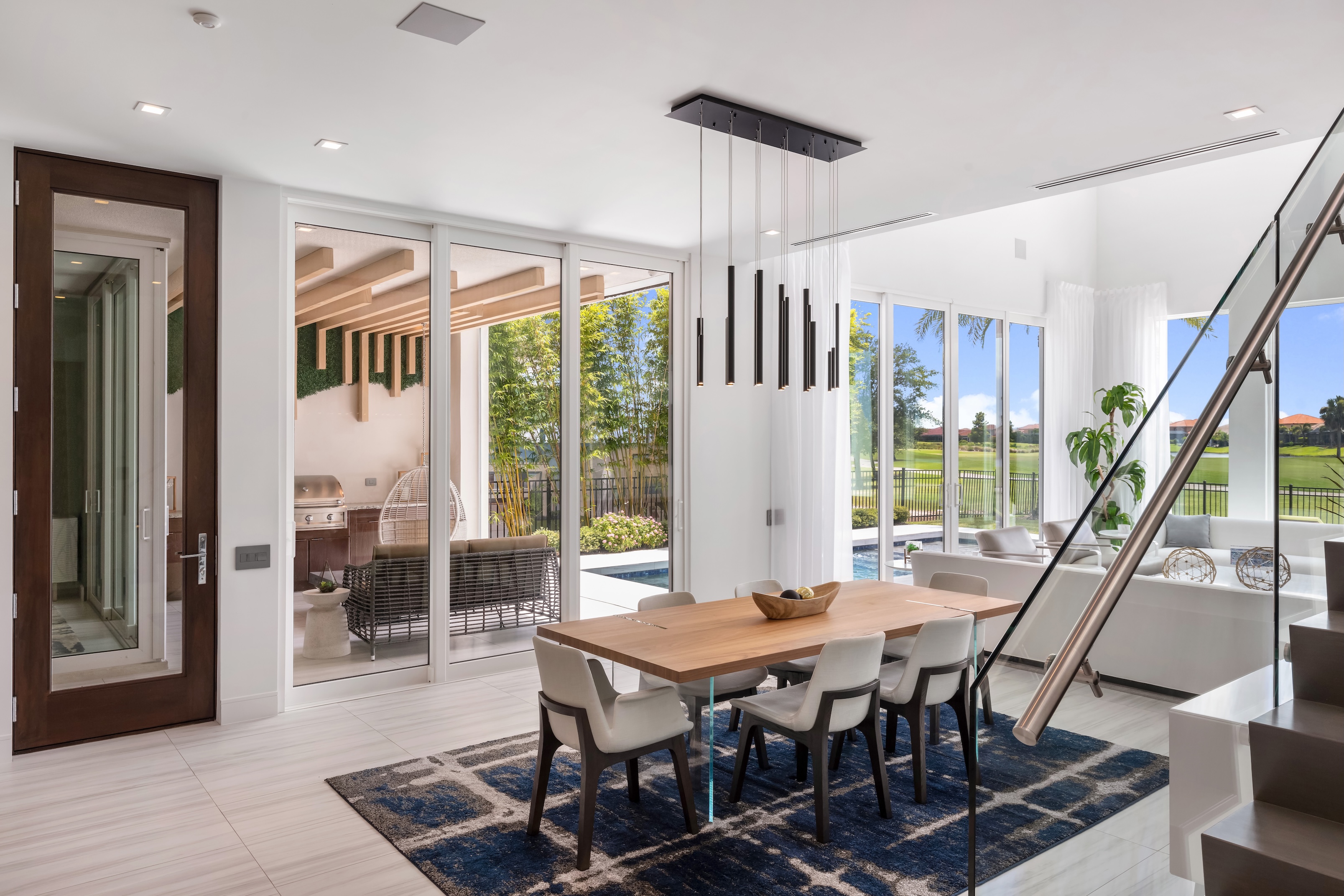
Wellness design considers every sensory detail in the home.
Sight The visual environment plays a powerful role in daily mood. Clean lines, soothing colors, and clutter-free rooms promote calm. Bedrooms, in particular, should prioritize rest. Creating a peaceful retreat without workspaces or excess clutter can support deeper relaxation.
Smell
Scent is closely tied to emotion. “When you take in a fragrance it can calm you or it can agitate you,” Jennifer explains. The way a home smells when someone walks in matters more than many people realize. Subtle, pleasant scents can create an immediate sense of comfort.
Sound Noise can create ongoing tension. “Let’s say you’re living by a noisy street. That can just be a low level of agitation at all times,” she says. Even constant background television noise can impact overall well-being. Incorporating soft music, sound machines, or simply carving out quiet moments can dramatically shift the atmosphere of a home.
Touch Texture influences experience in subtle but important ways. From bedding and upholstery to flooring and furniture finishes, what you feel shapes your mindset. Jennifer points out that even small irritations, such as a rough wood edge or grit underfoot, can create low-level annoyance. In contrast, stepping onto a soft rug in the morning or running your hand across a smooth dining table can elevate the entire day.
Taste and Ritual Wellness also shows up in how we experience meals. Creating a dedicated space for dining encourages mindfulness and connection, rather than hurried moments standing at a kitchen counter.
How Wellness Design Impacts Real Estate
This trend is not just influencing décor choices. It is shaping real estate decisions.
“You can actually improve your resell ability if you pay attention to some of the wellness hacks,” Jennifer shares. For home sellers preparing to list, small sensory details can make a meaningful difference. Soft textures, calming scents, thoughtful lighting, and clutter-free bedrooms all help a home feel restorative from the moment a potential homebuyer steps inside.
Beyond staging, many homeowners are investing in dedicated wellness features. “Having a wellness room is a really big thing right now,” she says. At-home saunas have become more accessible, and meditation spaces or quiet corners are increasingly sought after.
Mental health and personal well-being are front and center in today’s conversations. Homes that support relaxation, reflection, and restoration resonate strongly with modern homebuyers.
The Future of Home Design
Wellness design reflects a broader shift in how we define luxury. It is less about excess and more about intention. It is about how a space feels, not just how it looks.
As Jennifer’s insights make clear, the homes that stand out in 2026 will be those that engage the senses, reduce stress, and support everyday rituals.

In today’s market, the hottest homes are not just stylish. They help you live better. To learn more about the 2026 Home Design Trends from Engel & Völkers, download our guide here.
Recent Posts